PDRN, short for Polydeoxyribonucleotide and widely known as salmon DNA in the beauty world, has rapidly evolved from a professional clinic-only injectable treatment into one of the most sought-after active ingredients in consumer skincare. It is not just a passing social media trend; its skyrocketing popularity comes from solid clinical background, gentle performance, and alignment with the global shift toward skin-first, regenerative beauty.
Originally developed in regenerative medicine for wound healing and tissue repair, PDRN was first famous as the core ingredient of Rejuran Healer in Korean dermatology clinics. For years, it was only available through in-office injections, beloved for repairing damaged skin, smoothing scars and restoring skin vitality. As formulation and delivery technology advanced, topical PDRN serums, creams, masks and ampoules were launched, bringing clinic-level skin repair benefits into affordable daily home routines. This transition laid the foundation for its explosive growth across Asia, Europe, the Middle East and North America.
What makes PDRN stand out from conventional skincare actives is its unique cellular-level working mechanism. Purified from salmon nucleic acid fragments, PDRN binds to adenosine A2A receptors on skin cells. It suppresses chronic inflammation — also called inflammaging, the hidden driver of dullness, redness and premature ageing. Meanwhile, it stimulates fibroblasts to boost natural collagen and elastin synthesis, improves microcirculation and provides nucleotide building blocks for skin cells to speed up self-repair. Unlike exfoliating acids or retinol that resurface skin aggressively, PDRN rebuilds skin from within instead of only delivering temporary surface glow.
Its outstanding gentleness is another key reason for its wide popularity. Many high-performance anti-ageing ingredients such as retinol, high-concentration AHAs and BHAs carry irritation risks, which rule them out for sensitive, barrier-compromised or post-procedure skin. PDRN has excellent skin tolerance. It calms redness, soothes skin after laser, microneedling or chemical peeling, relieves irritation from over-exfoliation, and helps repair weak skin barriers. It works perfectly for people who want anti-ageing and repair results but cannot tolerate harsh actives. It also suits tired, urban skin stressed by UV rays, pollution and long hours of screen exposure.
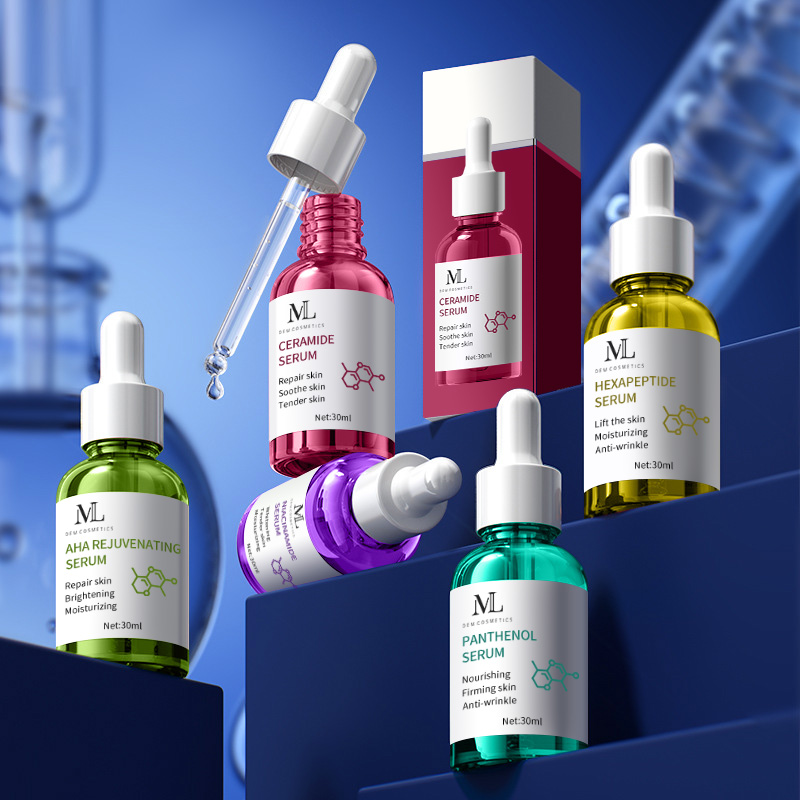
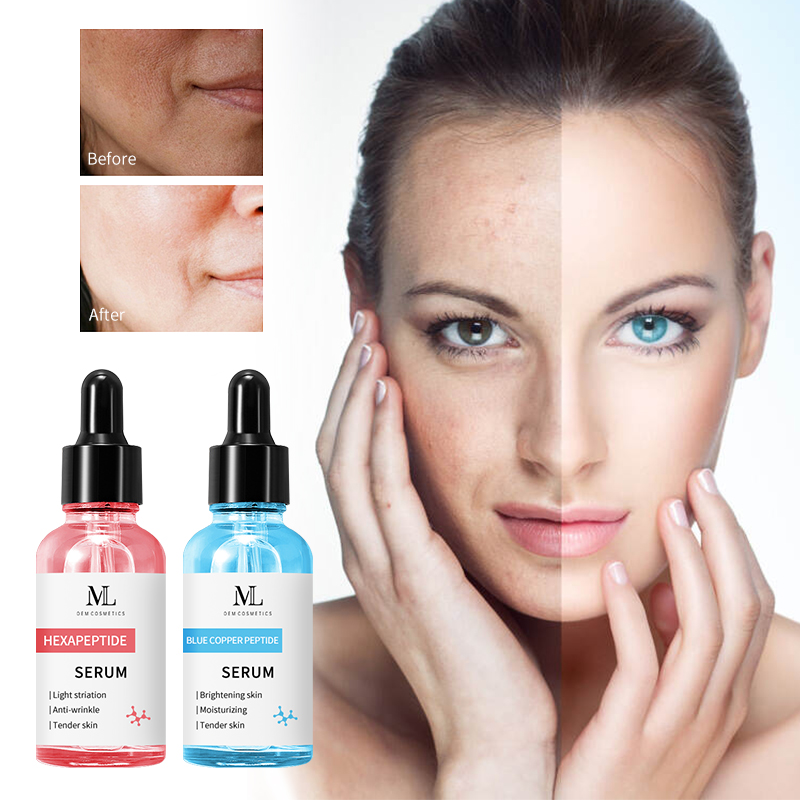
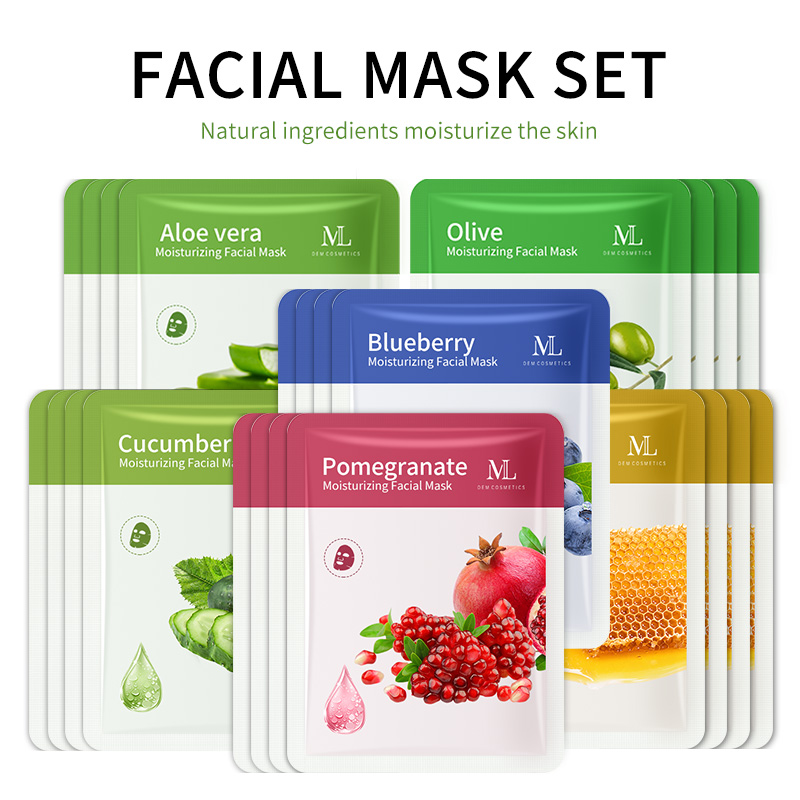
For brand owners and cosmetic formulators, PDRN fits the current mainstream consumer demand perfectly. Modern buyers are moving away from “quick-fix” whitening or anti-ageing products. They prefer regenerative, long-term skin health solutions. PDRN covers multiple pain points in one ingredient: fading post-acne marks, improving uneven skin tone, smoothing fine lines, boosting hydration and strengthening skin resilience. It can be easily formulated into diverse product lines, including repair serums, calming creams, sheet masks and after-sun care, bringing great flexibility for private label and OEM projects.
Social media and dermatologist endorsement further fuel its influence. Skincare professionals and dermatologists keep recommending PDRN for sensitive skin recovery and mild anti-ageing. On Instagram, TikTok and beauty forums, users share real before-and-after results of repaired barrier, reduced redness and brighter, plumper skin. This word-of-mouth credibility makes PDRN a highly marketable ingredient for both premium medical-grade cosmetic lines and accessible consumer beauty brands.
To sum up, PDRN wins the market because it bridges medical aesthetics and daily skincare. It delivers clinically backed regenerative effects while staying gentle and inclusive for most skin types. As consumers keep chasing resilient, healthy skin rather than short-term cosmetic effects, PDRN will continue to be a core star active ingredient for global skincare brands.

احصل على عرض أسعار سريع ومجاني الآن!


حقوق النشر
@ 2026 Guangzhou Mailangxiangli Cosmetics Co., Ltd جميع الحقوق محفوظة
.  الشبكة المدعومة
خريطة الموقع / المدونة / Xml / سياسة الخصوصية
 العربية
 English
 français
 Deutsch
 русский
 español
 português
 日本語
 한국의
 Indonesia